
What are Digital Worker Technologies?
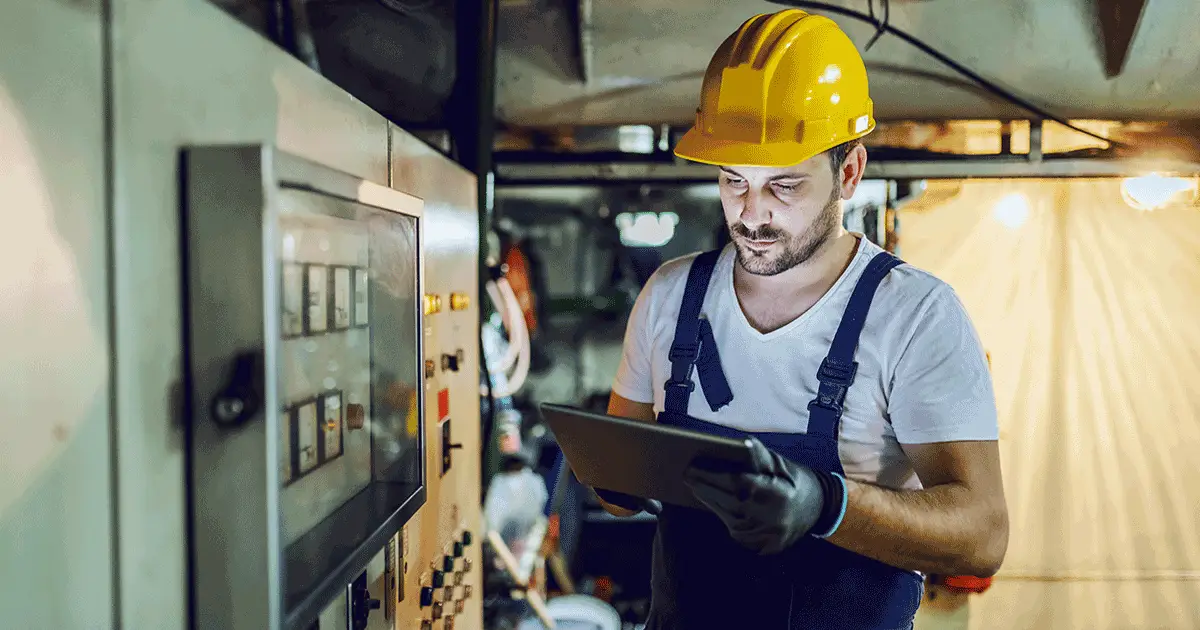
Digital Worker Technologies are the software, devices and connected tools that help frontline workers access information, carry out tasks, capture data and interact with wider business systems while work is taking place.
They can include connected worker platforms, mobile applications, wearable devices, digital work instructions, AI-powered assistants, augmented reality, communication tools and technologies that connect workers with operational systems and data.
Rather than simply replacing paper with digital documents, Digital Worker Technologies connect people with the information, processes and systems they need at the point of work. This helps create a more connected approach to frontline operations and provides greater visibility into how work is actually carried out.
Why are Digital Worker Technologies Important?
Frontline workers are responsible for much of the work that determines productivity, quality, safety and compliance. However, they have traditionally had less access to digital technology than office-based employees.
Important information may still be held in paper procedures, spreadsheets or disconnected systems, while valuable operational knowledge often remains with experienced individuals.
Digital Worker Technologies help close this gap by bringing digital support directly into frontline work. They can give workers easier access to current information, provide guidance during complex tasks and capture operational data without adding separate reporting processes.
As a result, you can improve consistency, retain operational knowledge and gain a clearer picture of what is happening across frontline operations.
What Types of Digital Worker Technologies are Available?
Digital Worker Technologies cover a broad range of tools rather than a single type of software.
These can include connected worker platforms, digital work instructions, mobile and wearable devices, remote assistance, augmented reality, AI-powered tools, skills and training applications, communication platforms and technologies that connect frontline workers with systems such as ERP, MES, EAM and CMMS.
The right combination depends on the work being carried out. However, the common aim is to give frontline workers better access to information and support while connecting their activities with the wider digital operation.
Digital Worker Technologies and Work Execution
Providing workers with technology is only part of the challenge. The real value comes from using it to improve how work is executed.
A Work Execution Layer connects planned work with what actually happens on the frontline. Workers receive the guidance they need to complete a task while evidence and operational data are captured as part of the same process.
This means Digital Worker Technologies can do more than provide information. They can help standardise task execution, reduce reliance on tribal knowledge and create reliable Work Execution Data showing what happened during the work.
That data can then support compliance, continuous improvement, Operational Intelligence and future AI initiatives.
Digital Worker Technologies and AI
AI is becoming an increasingly important part of the Digital Worker Technologies landscape.
AI can help create and translate work instructions, make operational information easier to access and support workers as they carry out increasingly complex tasks. However, its effectiveness depends on the quality of the underlying operational knowledge and data.
Capturing reliable Work Execution Data therefore becomes increasingly important as AI capabilities develop. The better the visibility into how work is actually performed, the stronger the foundation for applying AI to frontline operations.
How WorkfloPlus Supports Digital Workers
WorkfloPlus provides a Work Execution Layer that helps frontline workers carry out tasks consistently while capturing evidence and operational data as work happens.
Workers can access guided digital work instructions on mobile devices, tablets, Windows devices or industrial smart glasses. As they complete each job, WorkfloPlus can capture photographs, videos, measurements, signatures, timestamps, locations and other evidence required by the process.
This connects frontline execution with the wider digital operation, helping you improve consistency, preserve operational knowledge and generate reliable Work Execution Data for compliance, continuous improvement and Operational Intelligence.
Related Terms
- Connected Worker
- Connected Workforce
- Work Execution Layer
- Work Execution Data
- Digital Work Instructions
- Workforce Enablement
- Knowledge Retention
- Operational Intelligence
Learn More
- Work Execution Layer – Discover how frontline work can be connected with planning, operational systems and data.
- Knowledge Retention – Learn how digital technology helps capture and share valuable frontline expertise.
- Work Execution Data – See how work carried out on the frontline creates valuable operational data.
- Digital Work Instructions – Learn how digital guidance helps workers complete tasks safely and consistently.