
What is a Connected Workforce?
A connected workforce is a group of employees who use digital technology to access shared information, follow consistent processes, communicate and capture operational data as part of their everyday work.
In industrial environments, a connected workforce brings frontline workers, supervisors and operational systems together, helping ensure that people have access to the information they need and that completed work can be reviewed across the organisation.
Connected workforce technology can include digital work instructions, mobile applications, job management systems, industrial smart glasses, communication tools and digital work execution platforms.
Rather than relying on disconnected paperwork, informal knowledge sharing or separate reporting processes, a connected workforce uses digital systems to support consistent activities and make information available to the people who need it.
The approach is particularly relevant to manufacturing, utilities, energy, construction, rail and field service, where work is often carried out across multiple locations, shifts or operational environments.
Why Is a Connected Workforce Important?
Industrial operations depend on people working consistently, often across different departments, locations and working patterns.
When procedures vary between sites, information is difficult to access or completed activities are documented inconsistently, it becomes harder to maintain quality and understand operational performance.
A connected workforce helps address these challenges by bringing work instructions, activities and information into more consistent digital processes.
The main benefits include:
- Consistent work execution: Shared digital procedures help workers follow approved processes across shifts and locations.
- Improved operational visibility: Information captured during work helps supervisors understand completed activities, outstanding jobs and reported issues.
- Better collaboration: Workers and managers can access relevant information without relying entirely on informal communication.
- Stronger quality and compliance: Standardised checks and evidence capture help demonstrate how activities were completed.
- Knowledge retention: Digital instructions make practical expertise more accessible and reduce reliance on individual experience.
- Improved workforce flexibility: Consistent guidance can help workers undertake unfamiliar or less frequently performed activities.
- More reliable operational data: Structured information captured during work supports reporting, investigations and continuous improvement.
The value of a connected workforce comes from improving how people work together, not simply providing everyone with a digital device.
How Does a Connected Workforce Work?
A connected workforce uses digital systems to coordinate activities and share information between people carrying out work and those responsible for managing it.
For example, a maintenance manager may schedule inspections across several sites. Workers receive their assigned jobs, access the relevant procedures and capture inspection results while completing the activities.
Once the information is submitted and synchronised, supervisors can review completed work, identify reported problems and determine whether further action is needed.
The same approach can support manufacturing operations, where workers across different shifts follow consistent assembly, equipment setup or quality inspection procedures.
Digital systems help ensure that instructions remain accessible, required checks are completed and information is captured in a structured format.
Connected working does not always require continuous internet access. Offline-capable technologies can allow activities to continue in areas with limited connectivity, with information synchronised when a connection becomes available.
What Technologies Enable a Connected Workforce?
Connected workforce solutions combine technologies that support individual workers with systems that help coordinate activities across an operation.
Digital work instructions provide consistent guidance for tasks such as maintenance, inspections, assembly and production changeovers.
Job management and scheduling tools help supervisors organise work, assign responsibilities and monitor progress.
Mobile devices and industrial smart glasses give frontline workers access to information and allow them to capture evidence at the point of activity.
Digital work execution platforms connect instructions, assigned jobs, evidence capture, issue reporting and completed job reports.
Business and operational systems, including Enterprise Resource Planning (ERP), Manufacturing Execution Systems (MES) and maintenance management software, can provide wider context for the work being performed.
Where appropriate integrations are configured, these technologies can help connect frontline activities with existing planning, asset management and reporting processes.
What Is the Difference Between a Connected Worker and a Connected Workforce?
A connected worker and a connected workforce are closely related concepts, but they describe different levels of digital working.
A connected worker is an individual who uses digital technology to access guidance, complete tasks and capture information during their work.
A connected workforce describes multiple workers operating through shared digital processes, information and systems.
For example, a technician using a tablet to follow a maintenance procedure is a connected worker.
When technicians across several sites use the same approved procedures, receive digitally assigned jobs and contribute inspection results to a shared reporting process, they form part of a connected workforce.
The distinction is between supporting the individual at the point of work and connecting work execution across the wider operation.
What Does a Connected Workforce Look Like Across Different Industries?
The practical benefits of a connected workforce depend on the activities being carried out and the challenges involved in coordinating them.
In manufacturing, workers across production lines and shifts can follow consistent procedures for assembly, equipment changeovers and quality inspections. Information captured during these activities helps managers identify recurring issues and differences in performance.
In utilities, field engineers working across a network can access approved maintenance procedures, complete asset inspections and report problems using consistent digital processes.
In oil and gas, maintenance and inspection personnel operating across different facilities can document activities and capture evidence for review by operational and compliance personnel.
In construction and highways, workers and contractors can complete site checks, document completed activities and provide evidence of work carried out at different locations.
In rail, maintenance personnel can follow standardised inspection procedures and capture asset condition information to support maintenance planning and investigations.
Across these industries, connected workforce technology helps make work more consistent while providing clearer information about activities taking place across an operation.
How Does a Connected Workforce Improve Operational Visibility?
One of the challenges in industrial operations is understanding what has happened during work, particularly when activities are spread across different sites, shifts or contractors.
Planning and management systems may show which jobs have been scheduled or completed, but they do not always contain all the information needed to understand how the work was performed.
A connected workforce can help close this gap by capturing information during operational activities.
For example, a completed maintenance job might include inspection measurements, photographs, confirmation of required checks and details of any issues identified.
When this information is collected consistently, managers have a more reliable basis for reviewing work, investigating problems and identifying improvement opportunities.
It also helps reduce the delay between work being completed and relevant information becoming available.
The resulting operational data can support quality management, compliance, maintenance planning and continuous improvement.
How Does a Connected Workforce Support Training and Knowledge Retention?
Industrial organisations often depend on experienced workers who understand equipment, procedures and operational challenges that may not be fully documented.
When this knowledge is shared informally, it can become difficult to maintain consistent practices across shifts, sites or changing workforces.
Connected workforce technology helps make practical knowledge more accessible by incorporating approved instructions, photographs, guidance and verification steps into everyday activities.
Workers can refer to this information while completing tasks, rather than relying entirely on memory or waiting for assistance from an experienced colleague.
Digital procedures can also be updated as processes change, helping ensure that workers have access to current guidance.
This supports training and upskilling, while reducing the risk of important operational knowledge being lost when experienced employees change roles or leave.
However, connected workforce technology complements rather than replaces practical training, supervision and competency assessment.
Connected Workforce vs Connected Frontline Operations: What’s the Difference?
The terms are closely related, but their emphasis is slightly different.
Connected Workforce describes the people working through shared digital information, procedures and systems.
Connected Frontline Operations describes the wider operational approach that connects frontline activities with planning, management, quality and improvement processes.
For example, providing maintenance workers across several sites with consistent digital instructions helps establish a connected workforce.
Connecting those activities with job scheduling, asset information, issue management and operational reporting forms part of a broader connected frontline operations strategy.
A connected workforce is therefore an important component of connected frontline operations, rather than a separate or competing concept.
How WorkfloPlus Supports a Connected Workforce
WorkfloPlus helps industrial organisations connect frontline activities through digital work execution.
Managers and process owners can create digital workflows, organise jobs and assign activities to workers across different operational environments.
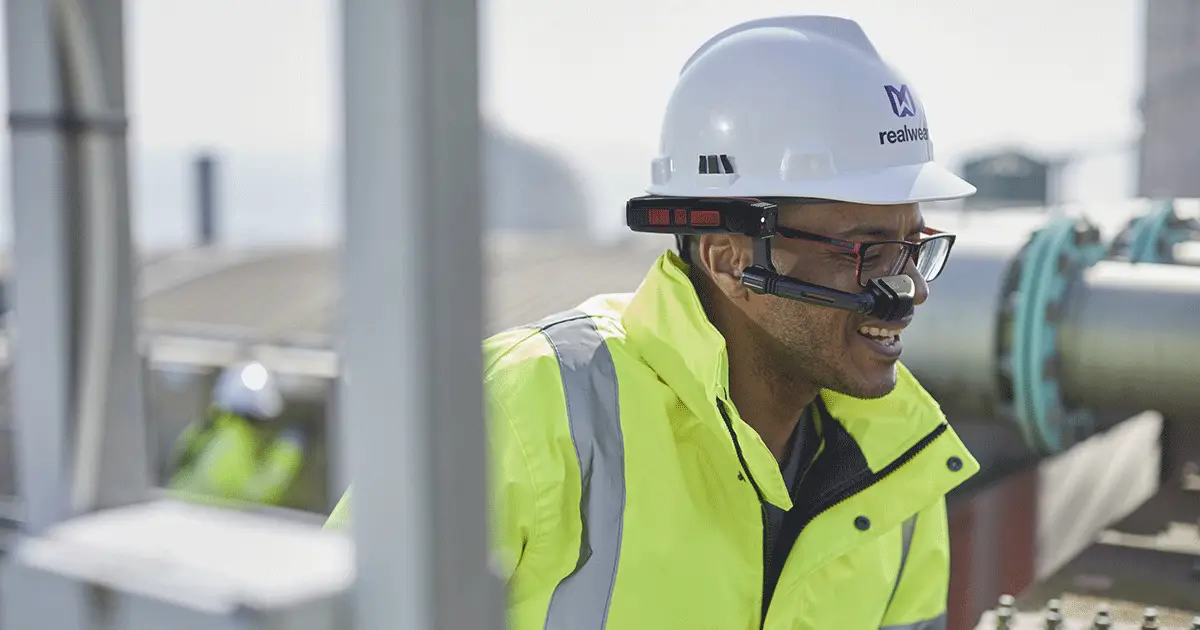
Workers can access assigned jobs and follow structured instructions using supported smartphones, tablets and RealWear smart glasses.
During a job, they can complete required checks, record measurements, capture photographs and signatures, and document issues identified during the activity.
Completed workflows generate digital job reports containing the information collected during work.
This provides a consistent way to document activities across different workers, locations and shifts, helping managers review completed jobs and understand where further action may be required.
WorkfloPlus also supports offline working, allowing activities to continue where connectivity is limited and information to synchronise when a connection is restored.
Through appropriate integrations, WorkfloPlus can complement existing business and operational systems, helping connect work execution with wider processes.
By bringing guidance, job management and evidence capture together, WorkfloPlus supports a connected workforce that can carry out work consistently while generating reliable information for compliance, reporting and improvement.
Related Terms
- Connected Worker
- Digital Worker Technologies
- Work Execution Layer
- Digital Work Instructions
- Operational Visibility
- Knowledge Retention
- Operational Data Capture
- Digital Transformation
Learn More
- Connected Frontline Operations – Explore how connecting frontline activities, operational systems and reliable data supports more consistent work across industrial environments.
- Training & Upskilling the Frontline – Discover how digital guidance helps preserve knowledge, support skills development and maintain consistent working practices.
- Tomorrow’s Team – Free eBook – Explore how digitalisation can help organisations address skills shortages and prepare their workforce for changing operational demands.
- WorkfloPlus Platform – See how job management, digital workflows, inspections and evidence capture connect frontline work with wider operational processes.