
What is Knowledge Retention?
Some of the most valuable knowledge in your operation is never written down.
It comes from experience. Knowing what a particular sound means. Recognising when a reading does not look right. Understanding which part of a procedure regularly causes problems. Knowing what to check before an issue becomes more serious.
The challenge is making sure that knowledge does not remain with just one person.
Knowledge retention is the process of capturing practical experience and making it available to others, so valuable knowledge stays with your business when people change roles, leave or retire.
For frontline operations, that means going beyond storing documents. It means turning experience into clear, usable guidance that can be accessed while the work is being carried out.

So, what is Knowledge Retention?
Effective knowledge retention helps you preserve practical experience, reduce reliance on individual employees and make proven ways of working available to others.
It is particularly important where work is skilled, complex, safety critical or difficult to replace through recruitment alone.
It can help you:
Retain valuable knowledge when experienced people leave
Improve consistency across shifts, sites and locations
Support faster onboarding and training for new starters
Keep procedures aligned with real best practice working practices
Reduce dependence on memory and informal knowledge sharing
Use lessons from completed work to improve future processes
Why is Knowledge Retention Important?
When an experienced employee leaves, you do not just lose a person. You also lose years of practical knowledge about equipment, processes, customers, sites and recurring problems.
A replacement may be able to read the procedure and complete the required training, but they cannot immediately replace the judgement someone has developed after carrying out the same work hundreds of times.
Without a way to retain that experience, knowledge has to be rebuilt repeatedly.
That can lead to slower onboarding, inconsistent work, repeated mistakes and greater reliance on the small number of people who know how things really work.

The Problem With Tribal Knowledge
Not all important knowledge is formally documented. Some of the most useful information is picked up through experience.
An operator may recognise that a particular sound means a problem is developing. An engineer may know which reading deserves a second look. Someone who has carried out a procedure for years may know which step people regularly misunderstand.
This is tribal knowledge.
It can be extremely valuable, but it also creates risk when that knowledge remains with individuals.
One person completes the job one way. Another shift develops a slightly different approach. A new employee learns whichever method the person training them happens to use.
Eventually, the documented process and the way the work is actually carried out can begin to move apart.
What Causes Operational Knowledge to Be Lost?
Knowledge loss is rarely caused by one single event. More often, it builds gradually.
Experienced employees retire or move to another role. Contractors leave at the end of a project. Lessons learned during a job are discussed but never formally captured. Procedures are updated less frequently than working practices change.
Sometimes the knowledge exists, but it is scattered across documents, spreadsheets, emails, shared drives and individual notes.
In other cases, the official procedure still reflects how the job was designed years ago rather than how it is now carried out.
The biggest risks usually appear when practical knowledge is:
Kept with a few people
Important know-how depends on experienced people being available when they're needed.
Passed on informally
Knowledge is shared through conversation or shadowing, but never captured in a consistent way.
Separate from work
Procedures and training exist, but it is hard to find when needed while the job is being done.
Left out of the process
Lessons are learnt, but they never make their way back into the official instructions.
Kept without context
Information exists, but it is not always clear what is current, relevant or right for the job.
How Do You Retain Operational Knowledge?
1. Identify the Knowledge That Matters
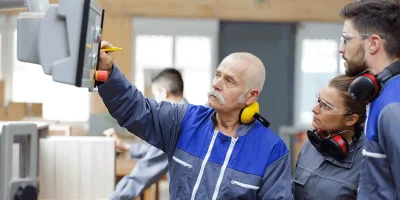
Start with the work that depends most heavily on experience.
Look at complex procedures, recurring faults, safety critical activities, difficult maintenance tasks and jobs where people frequently need help from experienced colleagues.
These are often the areas where losing knowledge would have the greatest impact.2. Capture Practical Experience

Speak to the people who do the work regularly.
The useful information may not be another paragraph in an SOP. It might be a photograph showing what good looks like, a warning about a common mistake, a short video explaining a difficult step or guidance on what to do when a particular condition occurs.
This is the knowledge that rarely makes it into formal documentation.
3. Turn Knowledge Into Usable Guidance
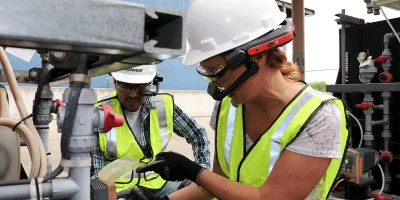
Knowledge needs to be easy to understand and practical to use.
That could mean updating an SOP, adding visual guidance or creating digital work instructions that break the process into clear steps.
The important point is that the knowledge becomes part of the process rather than remaining separate from it.
4. Make It Available at the Point of Work

People should not need to leave the job, search a shared drive or find the most experienced colleague every time they need guidance.
Knowledge is much more valuable when it is available while the task is being completed.
5. Capture What Actually Happens

Knowledge retention should not only preserve what you already know.
Completed work can create new knowledge too.
Measurements, evidence, issues, observations and outcomes can all help you understand how the process works in practice.
6. Keep Improving the Process

Knowledge changes.
Equipment changes. Procedures change. Better methods are discovered. New problems appear.
A good knowledge retention strategy therefore needs to be continuous. What you learn from completed work should feed back into the instructions people use next time.
Why SOPs and Training Are Not Enough
SOPs and training are both essential, but they solve different parts of the problem.
A procedure explains what should happen.
Training helps someone understand how to do it.
Knowledge retention makes sure practical experience remains available when the work is actually happening.
Traditional documents can become disconnected from everyday working practices. Training may have taken place weeks or months before someone needs the information. Lessons learned during the job may never make their way back into either.
That is why knowledge retention requires more than storing documentation.
The knowledge needs to become part of the work itself.
SOPs, Training & Knowledge Retention
SOPs define the current approved processes & procedures.
Training develops the skills & understanding needed to carry it out.
Knowledge retention means it's available when people need it.
Turn Experience Into Repeatable Work
The goal is not to remove experience or judgement from frontline work.
It is to stop valuable knowledge being available only to the people who already have it.
That might mean capturing:
- The correct sequence for a complex job
- Images showing acceptable and unacceptable results
- Videos demonstrating difficult tasks
- List Common problems and how to recognise them
- Checks experienced workers know are particularly important
- Guidance for unusual conditions
- Lessons learned from previous issues or failures
When this knowledge becomes part of the process, people have a much clearer starting point.
They are not expected to remember everything or rely on finding the person who knows the answer.
Make Knowledge Available Where the Work Happens
Knowledge is most useful at the moment someone needs it.
If the information is buried in a manual, stored on a shared drive or only known by an experienced colleague, accessing it can interrupt the job or result in people relying on memory instead.
Digital work instructions can bring approved guidance directly into the work.
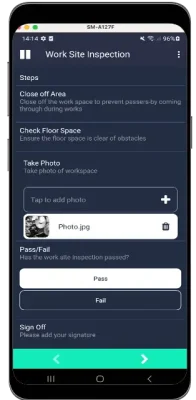
Written instructions, images, videos, checks and reference information can all be presented in context, so someone can see what they need to do while they are carrying out the task.
And because the instructions can be managed centrally, improvements can be reflected in future jobs rather than relying on everyone remembering that something has changed.
How WorkfloPlus Supports Knowledge Retention
WorkfloPlus turns your procedures into clear digital work instructions that can be used while the work is being carried out.
This gives you a practical way to take knowledge that currently sits in documents or with experienced employees and make it part of everyday work.
Capture Best Practice
Turn proven ways of working into clear digital instructions that are easy to follow and update.
Reduce Reliance on Memory
Put important information into the process instead of expecting people to remember every detail.
Support Faster Onboarding
Give new starters access to practical guidance while they are carrying out the job.
Keep Work Consistent
Make the same approved instructions available across shifts, sites and locations.
Capture What Happened
Collect evidence & data as each job is completed so you have a reliable record of the work.
Keep Improving
Use what you learn from completed work, issues & feedback to improve procedures.
From Retained Knowledge to Better Operational Data
Knowledge retention is not only about preserving what experienced people already know.
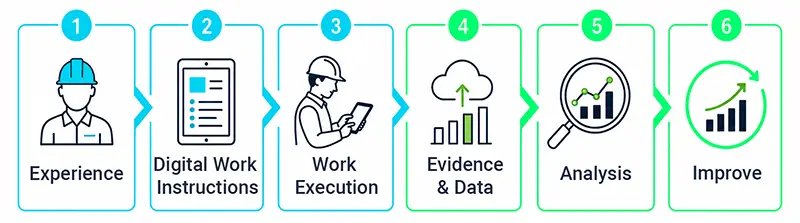
Once that knowledge becomes part of the way work is carried out, each completed job can create new information too.
You can capture what was done, who completed the work and when, along with measurements, responses, photographs and other evidence collected during the job.
Over time, this creates structured work execution data from the work itself.
That data can then be used alongside your wider reporting and analytics tools to investigate recurring problems, compare results and identify where processes could be improved.
So knowledge retention becomes a cycle rather than a one off exercise.
What Are the Benefits of Knowledge Retention?
When practical knowledge becomes part of the way work is carried out, you rely less on individual experience and more on a consistent process.
New employees have clearer guidance. Experienced knowledge stays available. Work becomes easier to standardise and you have better evidence of what actually happened.
Over time, that also gives you a stronger basis for improving the process rather than repeatedly solving the same problems.
Frequently Asked Questions
What is knowledge retention?
Knowledge retention is the process of capturing valuable knowledge and experience so it remains available when employees leave, retire or move into different roles.
Why is knowledge retention important?
It helps you reduce reliance on individual employees, preserve practical experience and keep important knowledge available to the people who need it.
What causes knowledge to be lost?
Knowledge is often lost when experienced people leave, practical experience is never formally captured, procedures fall behind the way work is actually carried out or information is difficult to find when it is needed.
What is the difference between knowledge retention and knowledge management?
Knowledge management covers the wider process of creating, organising and sharing information. Knowledge retention focuses more specifically on making sure valuable experience and know how are not lost.
What is the difference between knowledge retention and knowledge transfer?
Knowledge transfer is the process of passing knowledge from one person to another. Knowledge retention makes sure that knowledge remains available afterwards, rather than depending on the original person still being there.
How do you retain operational knowledge?
Start by identifying the work that depends most on experience. Capture the practical knowledge people use, build it into clear guidance and make it available while the work is being carried out. What you learn from completed work should then be used to keep that guidance up to date.
Are SOPs enough for knowledge retention?
Not on their own. SOPs document the approved process, but they do not always capture the practical experience people develop while doing the job. Knowledge retention brings that experience into the process so it can be used alongside formal procedures.
How do digital work instructions support knowledge retention?
Digital work instructions make practical knowledge available during the job. They can include guidance, images, videos, checks and supporting information so people do not have to rely entirely on memory or separate documents.
How does WorkfloPlus support knowledge retention?
WorkfloPlus turns your procedures into clear digital work instructions that can be used while the work is being carried out. It also captures evidence and data as each job is completed, helping you keep a reliable record of what happened and improve future instructions.
Can knowledge retention support continuous improvement?
Yes. When experience is captured and combined with reliable information from completed work, it becomes easier to identify recurring problems, update procedures and improve the way future work is carried out.
Want to see how WorkfloPlus can help you retain operational knowledge?
Book a personalised demo today and discover how you can standardise work, capture expertise and build a more resilient frontline workforce.
Explore Further
The Work Execution Layer: Discover why the gap between planned work and executed work is becoming one of the biggest barriers to operational excellence
The Hidden Cost of Tribal Knowledge: Understand the risks of relying on undocumented expertise
Why AI is only as Smart as the Knowledge you Capture: Learn why successful AI initiatives start with better frontline data.
Digital SOPs eBook: Discover how digital work instructions help capture and retain operational knowledge.