
What is Batch Manufacturing?
Batch manufacturing is a production method in which a defined quantity of products is manufactured together as a single group, known as a batch, before the next production run begins.
Each batch follows a specified manufacturing process, with materials, equipment settings, operating conditions and quality checks controlled according to the requirements of the product.
Batch manufacturing is widely used in pharmaceutical, food and beverage, chemical, cosmetics and other industries where products are manufactured in defined quantities.
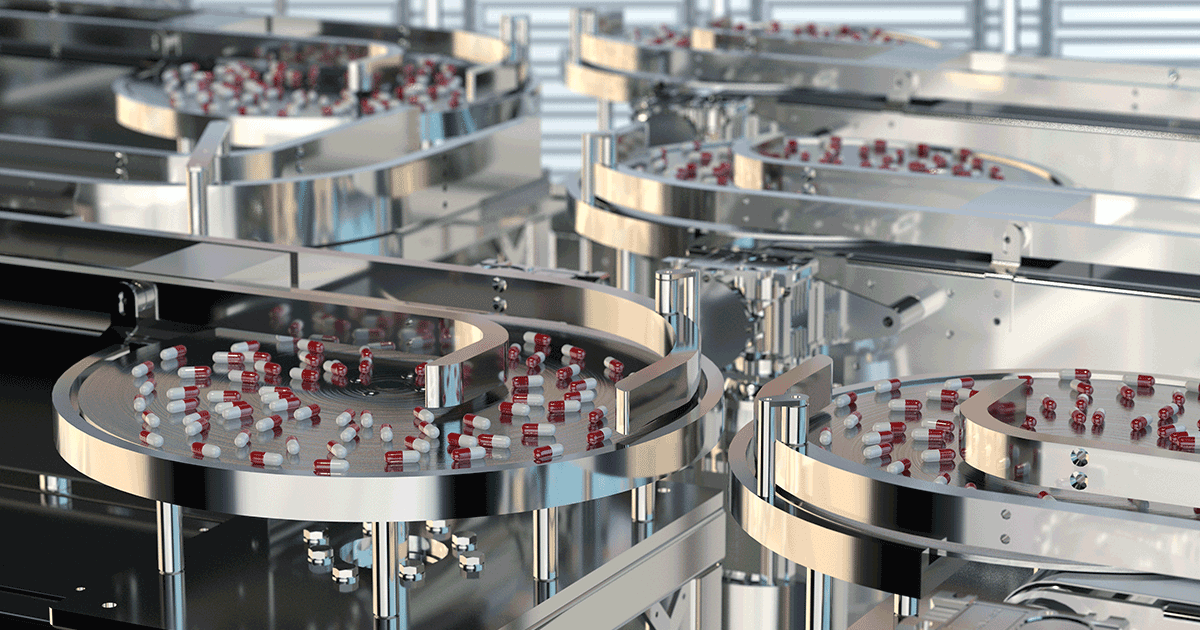
For example, a pharmaceutical manufacturer may produce a batch of tablets using a specified formulation and production process. Once the batch is complete, equipment may need to be cleaned, inspected or reconfigured before another batch can begin.
Unlike continuous manufacturing, where production operates as an ongoing process, batch manufacturing typically involves distinct production runs with identifiable starting and finishing points.
Why is Batch Manufacturing Important?
Batch manufacturing gives manufacturers flexibility while maintaining control over product quality and production activities.
It is particularly useful when different products, formulations or quantities need to be manufactured using shared equipment.
The main benefits include:
- Production flexibility: Manufacturers can produce different products or formulations using the same equipment.
- Quality control: Each batch can undergo defined checks, testing and approval processes.
- Traceability: Materials, equipment, processing conditions and quality information can be associated with individual batches.
- Inventory management: Production quantities can be adjusted to meet demand and stock requirements.
- Process consistency: Standardised procedures help maintain quality between production runs.
- Regulatory compliance: Batch documentation supports quality management and applicable regulatory requirements.
- Continuous improvement: Comparing performance between batches can help identify variation, delays and improvement opportunities.
However, batch manufacturing also introduces operational challenges, particularly when equipment must be cleaned, inspected or reconfigured between production runs.
How Does Batch Manufacturing Work?
Batch manufacturing follows a defined sequence of activities, with each production run managed as an individual batch.
The process usually begins with production planning, where manufacturers determine the required quantity, materials, equipment and production schedule.
Materials are then prepared and verified before manufacturing begins.
During production, operators follow approved procedures, monitor process conditions and complete the required quality checks. Depending on the product, these activities may involve mixing, heating, processing, filling, assembly or packaging.
Once the batch is complete, further inspections, testing or documentation reviews may be required before the products can progress to the next stage.
Equipment may then undergo cleaning, maintenance, inspection or changeover activities in preparation for another batch.
The specific activities depend on the industry, product and manufacturing process.
What Is the Difference Between Batch Manufacturing and Discrete Manufacturing?
Batch manufacturing and discrete manufacturing describe different aspects of production, although they can overlap.
Batch manufacturing describes how production is organised into defined quantities or production runs.
Discrete manufacturing describes the production of individual, countable items, such as machinery, automotive components and electronic equipment.
A manufacturer producing individual components may organise production into batches, meaning a process can be both discrete and batch-based.
However, batch manufacturing is particularly common in process industries, where materials are transformed through activities such as mixing, chemical reactions or formulation.
For example, manufacturing a batch of pharmaceutical tablets involves controlled processing of ingredients, while assembling individual industrial pumps is a discrete manufacturing activity.
Both approaches depend on consistent procedures, quality checks and reliable production information.
Batch Manufacturing vs Continuous Manufacturing: What’s the Difference?
The main difference between batch and continuous manufacturing is how production is organised.
In batch manufacturing, a defined quantity of product is processed as an identifiable production run. Production may stop between batches to allow for cleaning, inspection, material changes or equipment adjustments.
In continuous manufacturing, materials move through an ongoing production process, potentially operating for extended periods without stopping between individual production runs.
Continuous manufacturing can support high-volume production and consistent operating conditions, while batch manufacturing offers flexibility when producing different products or quantities.
The most suitable approach depends on product characteristics, production demand, equipment capabilities and regulatory requirements.
Some manufacturing facilities use both methods for different products or stages of production.
Why Is Batch Manufacturing Important in Pharmaceuticals?
Pharmaceutical manufacturers must maintain strict control over production processes to protect product quality and patient safety.
Batch manufacturing allows medicines to be produced in defined quantities, with manufacturing activities and quality information associated with each batch.
Under applicable Good Manufacturing Practice (GMP) requirements, manufacturers must maintain appropriate documentation demonstrating how products were manufactured and controlled.
This can include information about raw materials, equipment, processing conditions, inspections, deviations and quality decisions.
If a problem is identified, manufacturers need to investigate the circumstances and determine whether other batches may have been affected.
Reliable batch documentation and traceability are therefore essential to pharmaceutical quality management.
What Are the Main Challenges of Batch Manufacturing?
Although batch manufacturing provides flexibility, maintaining consistent production across multiple runs can be challenging.
Different operators, equipment conditions, material characteristics and process settings can introduce variation between batches.
Changeovers can also create downtime, particularly where equipment requires extensive cleaning, preparation or verification.
In regulated environments, manufacturers must ensure that required procedures are followed and that production activities are documented accurately.
Paper-based instructions, disconnected systems and retrospective reporting can make it more difficult to establish what happened during a particular production run.
These challenges make consistent work execution and reliable evidence capture important considerations for batch manufacturers.
How Does Digital Work Execution Support Batch Manufacturing?
Digital work execution helps manufacturers guide and document the activities involved in preparing, producing, inspecting and completing individual batches.
Digital work instructions can provide operators with structured guidance for equipment preparation, cleaning, production checks and changeover procedures.
Relevant information can be captured as activities are completed, including measurements, photographs, confirmations and inspection results.
This helps reduce reliance on handwritten notes and retrospective data entry, while providing more consistent information for review.
Digital workflows can also help document unexpected findings and support investigations into recurring production problems.
Where appropriately configured, batch identifiers can be included in workflows and job reports, helping connect the evidence captured during work to the relevant production run.
How WorkfloPlus Supports Batch Manufacturing
WorkfloPlus supports batch manufacturing by helping operators follow standardised procedures and capture evidence during production activities.
Digital workflows can guide equipment preparation, cleaning checks, inspections, maintenance and production changeovers.
Workers can capture photographs, measurements, signatures, timestamps and other relevant evidence while completing their tasks.
Once a workflow is completed, WorkfloPlus generates a digital job report containing the information collected during the activity.
This can help manufacturers review completed work, investigate issues and identify opportunities to improve production consistency.
WorkfloPlus also supports issue reporting, allowing unexpected findings to be documented during operational activities.
For pharmaceutical manufacturers, WorkfloPlus can complement existing manufacturing execution systems, electronic batch record systems and quality management processes.
Its use within GMP-regulated activities requires appropriate assessment, configuration, validation and controls for the intended application.
Related Terms
- Batch Traceability
- Good Manufacturing Practice (GMP)
- GxP (Good Practice)
- Discrete Manufacturing
- Production Changeover
- Single-Minute Exchange of Die (SMED)
- Quality Control
- Manufacturing Execution System (MES)
Learn More
- Pharmaceutical Manufacturing – Explore how WorkfloPlus supports controlled production procedures, inspections and evidence capture in pharmaceutical operations.
- Manufacturing – Discover how digital work execution supports production consistency, equipment checks and manufacturing quality.
- Digital SOPs & Digital Work Instructions – Learn how standardised digital procedures help operators complete manufacturing activities consistently.
- Beyond ERP, MRP & MES – Free eBook – Explore how frontline work execution complements manufacturing planning and production management systems.