
How CB&I manages complex work in hazardous environments with WorkfloPlus

Since 2018, CB&I has expanded WorkfloPlus from maintenance and inspection to integrity management and critical systems testing, using defined instructions to manage complex jobs and build accurate operational data.
ALCOA+
ALCOA+ describes nine principles of reliable data: Attributable, Legible, Contemporaneous, Original, Accurate, Complete, Consistent, Enduring and Available. Learn how they support data integrity, GMP compliance and trustworthy pharmaceutical manufacturing information.
Data Integrity

Data integrity ensures information remains accurate, complete, consistent and reliable throughout its lifecycle. Learn about the ALCOA+ principles, the importance of data integrity in pharmaceutical manufacturing and how digital work execution supports trustworthy operational information.
GxP (Good Practice)
GxP refers to the Good Practice regulations and quality guidelines used in pharmaceuticals and life sciences. Learn about GMP, GLP, GCP and GDP, the importance of data integrity and how digital work execution supports regulated activities.
Good Manufacturing Practice (GMP)
Good Manufacturing Practice (GMP) helps ensure that pharmaceutical products are consistently manufactured and controlled to appropriate quality standards. Learn about GMP principles, documentation, batch traceability and how digital work execution supports regulated manufacturing.
Batch Manufacturing
Batch manufacturing is a production method in which products are manufactured in defined quantities or batches. Learn how the process works, its benefits and challenges, and why consistent work execution matters in pharmaceutical and industrial manufacturing.
Batch Traceability
Batch traceability helps manufacturers track materials, production activities and quality information associated with individual batches. Learn how it works, why it matters in regulated industries and how digital work execution supports reliable manufacturing evidence.
Computerised Maintenance Management System (CMMS)
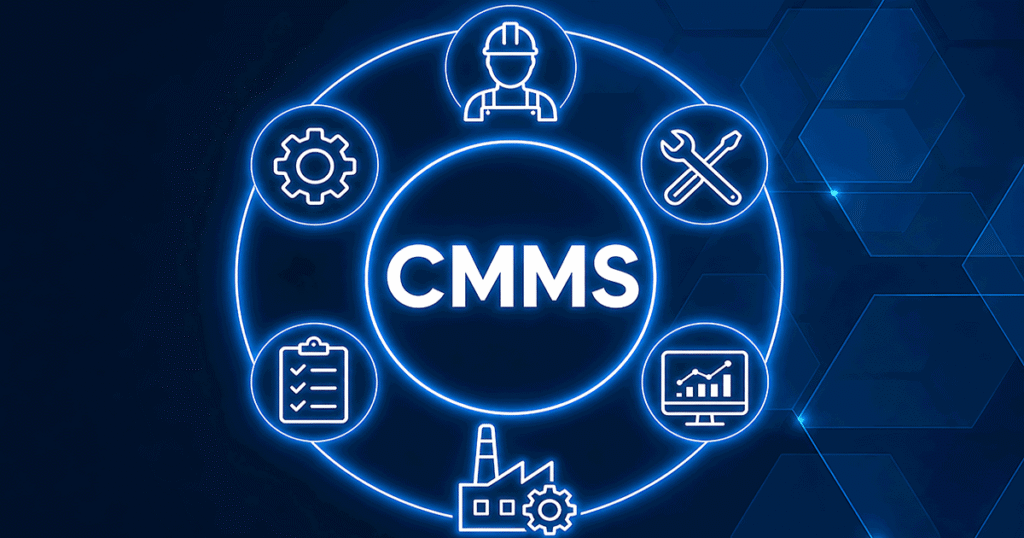
A Computerised Maintenance Management System (CMMS) helps teams plan, schedule and manage maintenance work. Learn how CMMS software works, how it differs from EAM and how frontline work execution complements it.
Enterprise Asset Management (EAM)
Enterprise Asset Management (EAM) helps businesses manage physical assets throughout their lifecycle. Learn how EAM works, how it differs from CMMS and how frontline work execution supports effective asset management.
Single-Minute Exchange of Die (SMED)

Single-Minute Exchange of Die (SMED) is a lean manufacturing methodology used to reduce the time required to change production equipment from making one product to another.