
Job Instruction is a training method within Training Within Industry (TWI) that focuses on teaching workers how to perform tasks correctly and consistently. It involves breaking down a task into clear steps and explaining not only how to perform each step but also why it is important.
The method ensures that workers understand the correct way to complete a task, reducing variation and improving quality. Job Instruction is particularly effective in environments where consistency and precision are essential, such as manufacturing, utilities, and oil, gas & energy field operations.
The process typically involves demonstrating the task, explaining key points, allowing the worker to perform the task, and providing feedback. This structured approach helps ensure that knowledge is transferred effectively and that workers gain confidence in performing their roles.
Job Instruction also plays an important role in preserving operational knowledge and reducing reliance on informal training methods. By standardising how tasks are taught, organisations can improve performance and maintain consistency across teams.
How This Applies to WorkfloPlus
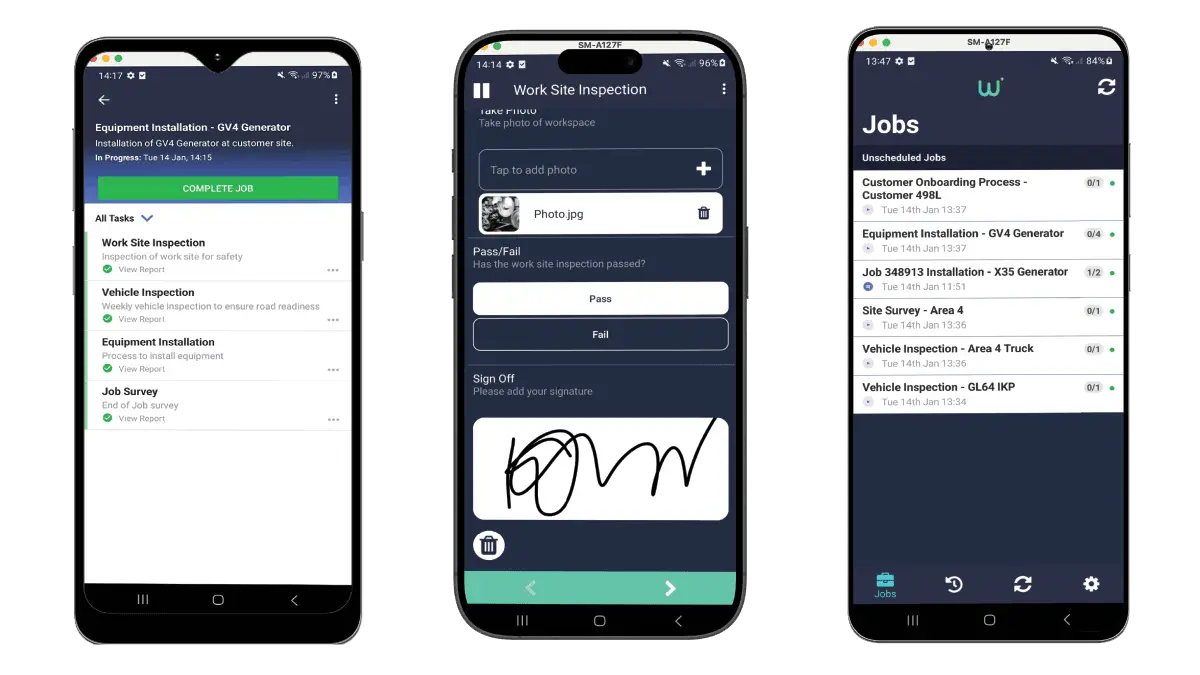
WorkfloPlus supports Job Instruction by providing digital task guidance that helps workers follow defined procedures. Instructions can include text, images, and video, allowing organisations to deliver consistent training while supporting workers during real tasks.
Related Concepts
Job Instruction is connected to several workforce development concepts:
- Training Within Industry (TWI) – the broader training framework.
- Work Instruction Authoring – creating structured task guidance.
- Skills Matrix – tracking workforce capability and training needs.
- Knowledge Capture – documenting operational expertise.
Why Job Instruction Matters
Consistent training is essential for maintaining quality and operational standards. Job Instruction helps organisations ensure that workers understand tasks clearly and perform them correctly.
Digital systems reinforce training by providing guidance during tasks, helping workers apply what they have learned in real operational environments.