
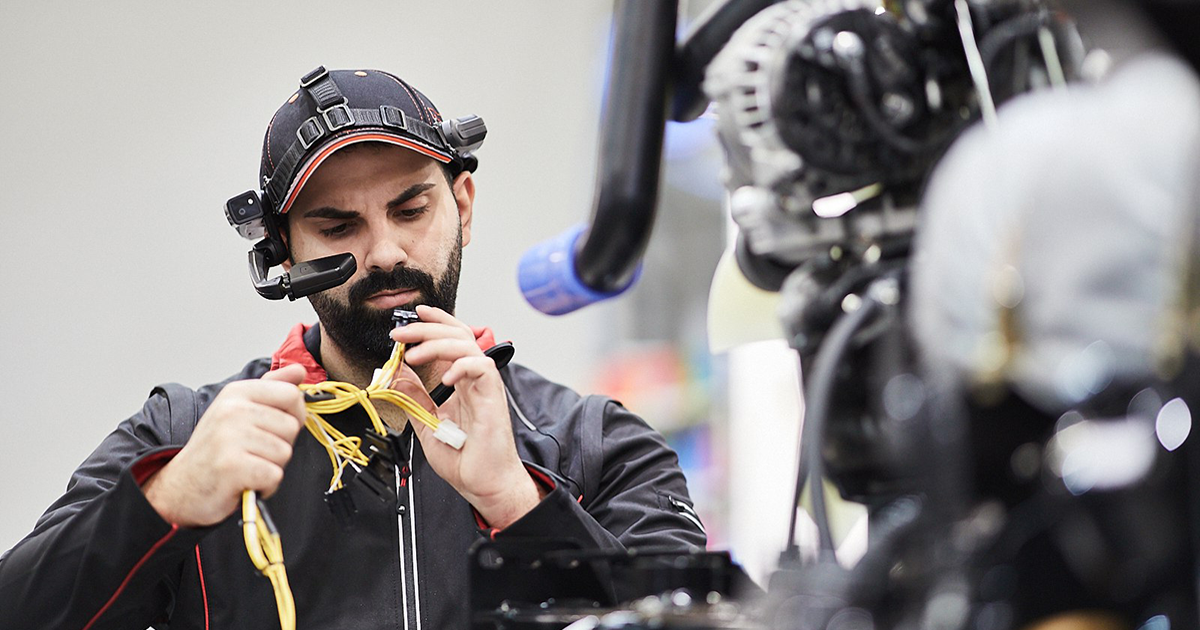
Think about the last time someone on your team made an error. Chances are, they knew how to do the task correctly. They’d been trained. They understood the process. But in the moment — under time pressure, juggling priorities, dealing with something slightly out of the ordinary — something slipped.
That’s not a training problem. That’s a performance problem. And they’re not the same thing.
The Gap Between Learning and Doing
Training is designed to prepare people before a task begins. And it works, up to a point.
People learn the process, understand the steps, and build confidence over time. But the moment they’re on the job, they’re operating in a completely different environment to the one they trained in.
There are time pressures. Unexpected situations. Competing priorities. Even well-trained, experienced employees can forget steps, take shortcuts, or interpret a process slightly differently when things get busy.
Over time, those small variations add up. Quality slips. Errors creep in. And the gap between what was taught and what actually happens quietly widens.
Why Training Alone Isn’t Enough
Most organisations invest heavily in training, and yet still experience:
- Inconsistent outcomes across teams and shifts
- Errors and rework that eat into productivity
- Ongoing supervision requirements that don’t seem to reduce
- Experienced workers gradually drifting from the original process
This isn’t a capability problem. Your people aren’t the issue. The issue is that training relies on memory, and memory isn’t a reliable system, especially in complex, high-pressure environments.
You can’t train your way out of that. But you can support people differently.
Shifting the Focus to Performance
Those that close this gap don’t just invest in better training. They invest in what happens during the moment of work execution.
Instead of asking employees to remember everything they’ve been taught, they give people the guidance they need, exactly when they need it — embedded directly into the work itself.
This changes the role of training entirely. It becomes the foundation, not the safety net.
Guidance at the Point of Work
Providing digital guidance at the point of work means you can embed training directly into the work. As tasks are carried out, employees are supported step by step — clear direction on what to do next, right when they need it.
This approach:
- Reduces reliance on memory
- Ensures processes are followed consistently, regardless of experience level
- Makes complex or unfamiliar tasks far easier to handle confidently
It also does something less obvious. It builds a more confident workforce. People aren’t second-guessing themselves or waiting for someone to check their work. They have the support they need in real time, which means they can get on with it.
Consistency Without Slowing People Down
A common concern is that more guidance means more friction. In practice, it tends to work the other way.
When processes are clear and easy to follow, tasks get completed more efficiently. Less stopping and starting. Fewer questions. Fewer mistakes to fix later. Consistency improves not because people are being controlled, but because the process itself is set up to produce the right outcome.
Turning Every Task Into a Source of Insight
Here’s where it gets interesting. When guidance is built into the work, data gets captured naturally as part of the process.
Every completed task creates a record — what was done, how long it took, where issues occurred. That level of visibility simply isn’t possible with traditional training methods.
Instead of knowing whether people have been trained, you can see how work is actually being performed in practice. That’s a fundamentally different kind of insight.
A Foundation for Continuous Improvement
With real data comes real clarity. You can see where processes are slowing down, where errors are clustering, and where additional support would make the biggest difference.
Improvement becomes targeted rather than guesswork. Training, processes, and performance evolve together — rather than being treated as three separate initiatives that rarely talk to each other.
And for organisations already investing in IoT, AI, or machine learning, this matters even more. Structured, real-time work execution data is exactly the kind of foundation those technologies need to deliver meaningful results.
From Knowledge to Work Execution
Ultimately, success in any operation comes down to work execution. Not what people know, but what they do, consistently, reliably, and at scale.
Training plays a role in that. But guidance at the point of work is what turns knowledge into performance.
Ready to Improve Performance Where It Matters Most?
WorkfloPlus helps organisations move beyond training by embedding guidance directly into the work itself — supporting employees in real time and capturing data as tasks are completed, so operations become more consistent, reliable, and easier to improve over time.
Book a demo to see how it works in practice.
Glossary Terms to Explore: